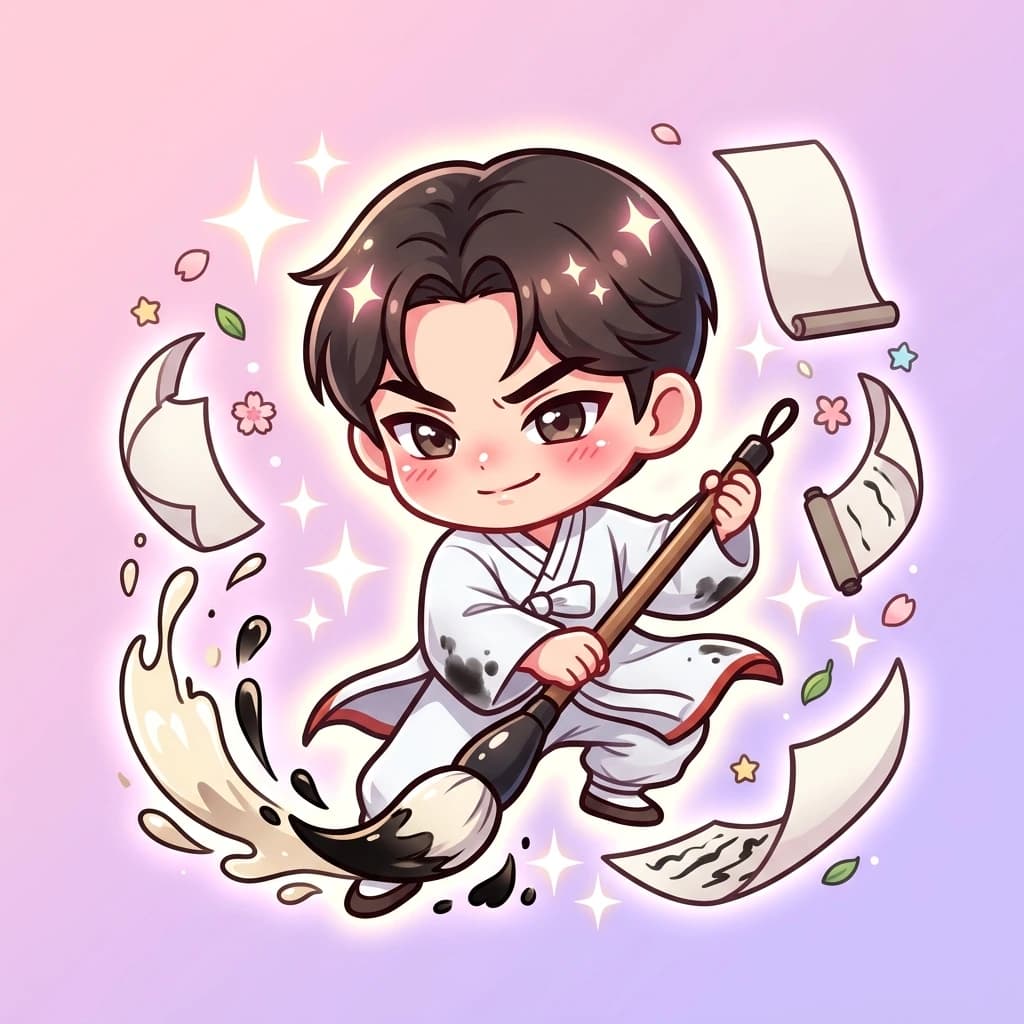
Past Life Story
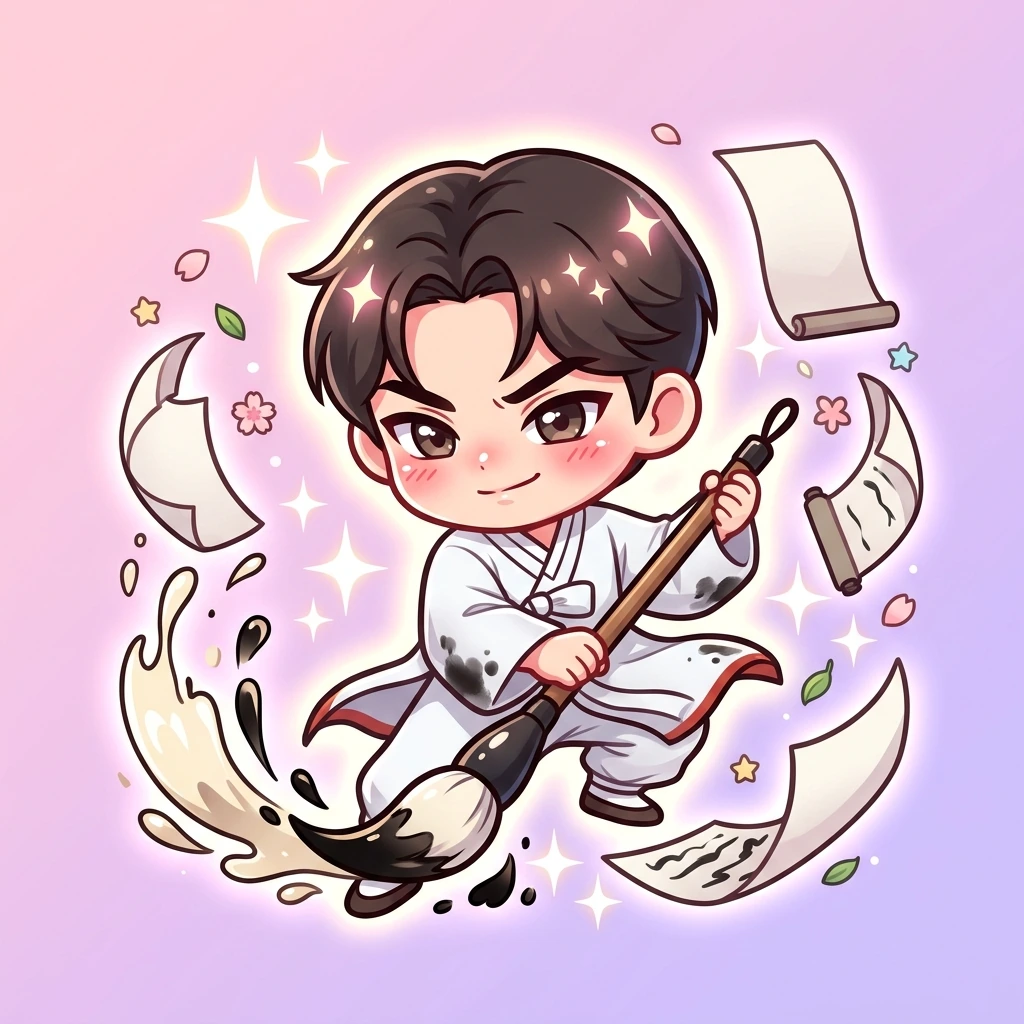
In the eighteenth year of King Myeongjong, you were born into a poor jungin family. Your father departed early, and your mother raised you by selling rice cakes. Your mother could not read letters, but no one had a deeper sincerity for her child's learning. At five you took up the brush for the first time. From the start, your handwriting was extraordinary. Your mother saw it. The son of a poor cake seller, but your mother bought you good paper and good ink. She had to sell more rice cakes for it, but she never once regretted it. In your tenth year, your mother sent you to a master calligrapher in Hanyang. To become an apprentice and learn calligraphy. You were sad to part from her, but you had to go. In Hanyang, from dawn until night you practiced. Until your hands swelled, until your shoulders ached. In your fifteenth year, you returned briefly to your hometown to see your mother. You believed your handwriting had improved greatly. That night, your mother tested you. She put out the lamp and said, "In the dark, you write, and I shall slice rice cakes." When the lamp was lit again, your mother's rice cakes were tidy, but your handwriting was disheveled. Your mother said, "Go back and learn more." That day you were deeply ashamed. Returning to Hanyang, you practiced as if mad. Until you could write accurately even in darkness. When at last you could, your handwriting became true handwriting. At twenty, your name as a master calligrapher began to be known in Hanyang. Yangban requested your writing. You wrote anyone's request with care. The request of the poor, the request of the wealthy—with the same care. That was what you had learned from your mother. In your twenty-fifth year, the king summoned you. To see your handwriting. Before the king you wrote. The king looked at your writing in long silence and said, "This writing is not mere writing. This is heart." That day the king bestowed an appointment upon you. At thirty you wrote the calligraphy that would accompany the king's portrait. It was a work done together with a court painter. The painter drew the king's image, and you added writing beside it. It was later enshrined at the Jongmyo. In your thirty-fifth year, your mother departed. You went to your mother's tomb and bowed long. Upon her grave was carved the last writing you wrote: "Mother, your rice cakes and my writing have become tidy." At forty, your name as a calligrapher was known even in Ming China. An envoy from Ming came to Joseon to receive your writing. There you wrote a single great piece of calligraphy, and the Ming envoy bowed before it. "This is the writing of a god." At fifty you established your own school of calligraphy. Many disciples followed you. You taught them, "Calligraphy is not written with the hand, but with the heart. And that heart begins with mother's rice cakes." The disciples spent their lives trying to understand those words. At seventy, you wrote your final piece. It was your own epitaph. With your own hand you wrote your own epitaph. "Han Seokbong, son of his mother, a man of writing." You wrote that epitaph, set down your brush, and slept. You did not wake again. Your handwriting later became the most luminous name among the master calligraphers of Joseon. Countless emulated your handwriting, but few emulated your mother's rice cakes. The true secret of master calligraphy lay with your mother. Mother's rice cakes and my writing—who is more tidy? That was the koan of your whole life. You spent your life trying to emulate your mother's rice cakes, and at last you reached that tidiness.