Past Life Story
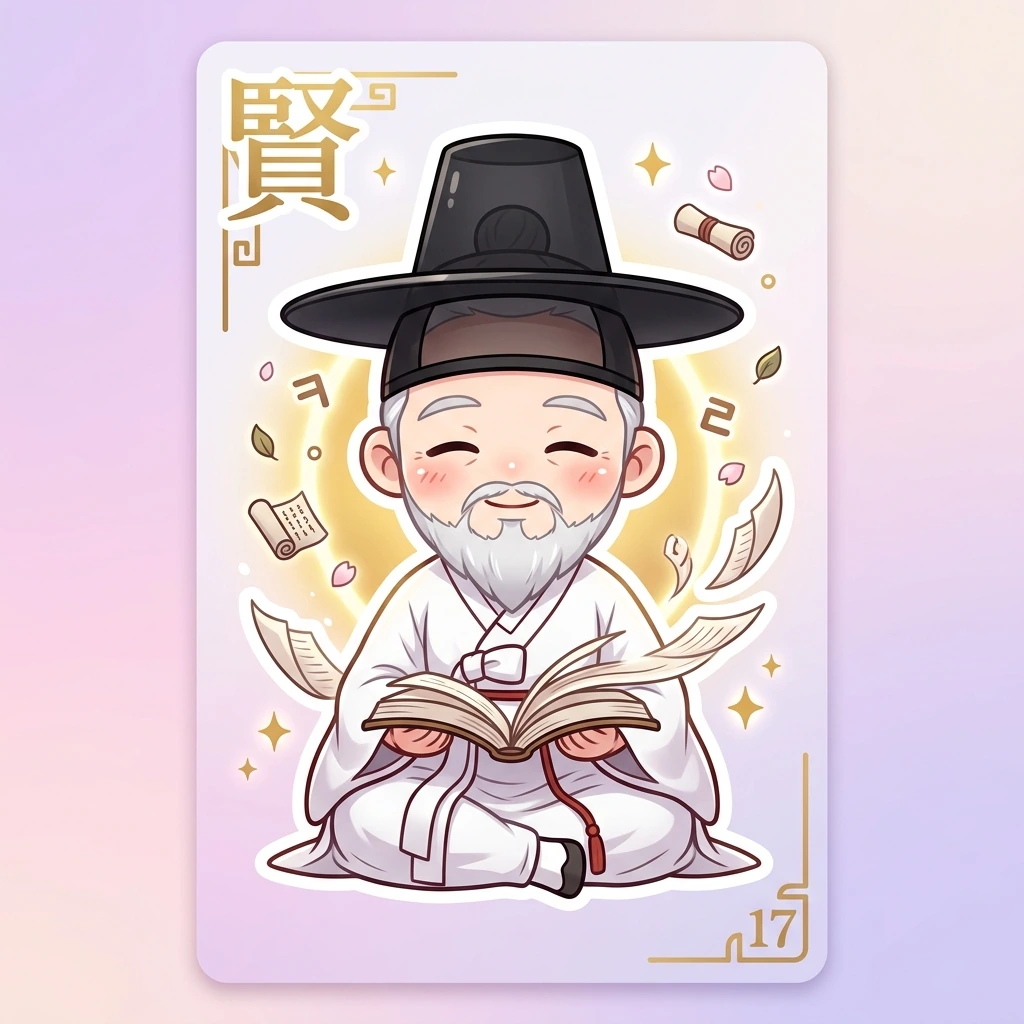
In the seventh year of King Yeonsangun, you were born in Andong, Gyeongsang Province, into the Jinseong Yi clan. The clan was renowned in Neo-Confucian scholarship, but soon after your birth your father departed this world. Your mother raised you alone. From your earliest days you took no friend other than books. By six you had finished the Thousand Character Classic. By twelve you had memorized the Four Books. Your mother was poor, yet she spared nothing for her child's learning. You never forgot her devotion all your life. Even later, when you became a great scholar, you always bowed before her grave. At twenty you passed the Jinsa examination, at thirty-four the great civil examination. It was a late entry, but already your scholarship was deep. The path of office in Hanyang gave you glory but also discomfort. Factional strife was endless, and power, not learning, decided everything. Several times you petitioned to resign, and several times the king restrained you. In your fortieth year, you at last left Hanyang. You returned to Andong and built the Dosan Seowon. There you found your true path. Scholarship was not a tool for power but the road that made human beings human. Each dawn you rose, sat in meditation, read books, and taught your students. Your scholarship was the theory of li and qi—that all things in the cosmos consisted of principle and energy. Yet that was not your true scholarship. Your true scholarship was governing the human heart, cultivating one's self. Gyeong, reverence—that was the koan of your whole life. In your fiftieth year, your fame spread to Hanyang and even to Ming China. The king repeatedly summoned you, but you declined. Once he sent an envoy in person, and you went briefly to Hanyang. But you soon returned to Andong. Your place was Dosan. In your sixtieth year, you completed a great work—the Seonghak sipdo, the Ten Diagrams of Sage Learning. It was a book offered to the king. In it you wrote of the discipline of the heart that a king must keep. Not mere political counsel, but teaching on how a single human being should live. That book later became one of the most important works of scholarship in Joseon. In your sixty-eighth year, you sensed your own death approaching. You gathered your students and gave your final teaching. "Scholarship has no end. Yet to walk toward that end is itself scholarship." You asked that only a small stone be placed at your tomb. No great stele, no splendid grave. In the twelfth month of your seventieth year, while sitting in meditation as always, you departed quietly. Your final words were "Water the plum." A single plum tree you had loved all your life stood in the courtyard. You wished to water that plum even at the last. When the king heard of your death, he sent down a personal eulogy. Your students gathered and wept. Your scholarship later became the foundation of the Yeongnam school, and reached even to Japan, exerting great influence upon the Confucian thought there. Your name—Toegye—became one of the most luminous names of Joseon scholarship. You walked a lonely path. Yet that loneliness shaped the spirit of an age. You were not a mere scholar. You were a teacher who taught an era, a river of learning that flowed beyond your time. That river even now flows somewhere, watering the heart of someone.